Key cutting vs. transponder key programming: what your car actually needs
Understanding the difference between cutting and programming
When you hold a car key in your hand, you are holding two separate pieces of technology. The metal blade that fits into the ignition cylinder is one part; the tiny electronic chip inside the plastic head is the other. These two elements work together, but they are made by very different processes. A standard key cutting machine shapes the metal to match the mechanical lock. Transponder key programming, on the other hand, tells the car's computer to recognize the chip inside the key. Many drivers assume that if the blade fits and turns, the key is ready to go. That is only half the story.
Older cars relied entirely on the physical cut. If the key turned the lock, the engine started. Modern vehicles, however, have an immobilizer system that checks for a transponder chip before allowing the engine to run. Without the correct chip, the car may crank but never start. This is where confusion often arises. A freshly cut key that looks identical to the original can still leave you stranded if the chip has not been programmed to match your vehicle's immobilizer code.
Mechanical key cutting: when it is sufficient
Some vehicles on the road today still use a purely mechanical key. These are typically older models from the late 1990s and earlier, though a few budget or commercial vehicles retained this system into the early 2000s. If your car has no separate remote fob and the key has no visible plastic housing around the head, it likely does not contain a transponder chip. In that case, cutting a new key from the original is all that is needed.
The process itself is straightforward. A locksmith reads the key code from the original key or from the vehicle identification number (VIN) and cuts a new blank using a key cutting machine. The new key should operate the door locks and ignition cylinder without issue. No electronics are involved. This is also the route for spare keys for older vehicles that do not have an immobilizer system.
Transponder chip keys: what they do
Most cars built after the year 2000 include an immobilizer system that relies on a transponder chip. This small electronic component is embedded in the plastic head of the key or inside the key fob. When you insert the key into the ignition or bring it near the push start button, the car sends a low-frequency signal to the chip. The chip responds with a unique code. If the code matches what the car's computer expects, the immobilizer disengages and the engine can start.
If you lose your only key or it stops working, simply cutting a new blade will not work. The car will not recognize the chip because it has not been programmed into the system. This is where transponder key programming becomes essential. The process involves using specialized diagnostic equipment to communicate with the car's computer and add the new chip's code to the list of approved codes. Some vehicles allow a simple procedure using the existing working keys, while others require dealer-level tools or a locksmith with the correct software.
Key fobs and remote programming
Many modern keys combine the transponder chip with a remote fob that locks and unlocks the doors. The remote function and the immobilizer function are separate systems, even though they live inside the same key housing. It is possible to have a key that starts the engine perfectly but cannot lock or unlock the doors remotely, and vice versa. Remote programming typically involves a sequence of steps using the ignition and door controls, though some vehicles need a diagnostic tool to sync the fob. Transponder key programming addresses only the immobilizer side. If the remote stops working, that is usually a separate issue that may or may not require professional help.
Push start systems and keyless entry
Vehicles with push start buttons do not use a traditional key blade at all. Instead, the key fob communicates wirelessly with the car's computer when it is inside the cabin. The fob contains a transponder chip that performs the same role as the chip in a standard key, but without a physical turn of the ignition cylinder. Programming a fob for a push start vehicle is often more involved than programming a standard transponder key. The car may require the fob to be paired through a specific process that can vary by make and model. Some vehicles allow a DIY procedure, while others require a locksmith or dealership to complete the programming.
One common point of confusion is that a dead battery in the fob can make a push start car seem like it has a programming issue. In many models, holding the fob against the push start button or near a specific sensor will still allow the engine to start even if the battery is dead. This backup method works because the car can read the transponder chip at close range without the fob's battery. If holding the fob against the button does not work, the chip itself may be faulty or the programming may have been lost.
When you need a new key from scratch
If you have lost all your keys, or the only remaining key is damaged beyond use, the situation becomes more complex. A locksmith can cut a new key blade based on the vehicle identification number, provided the locks have not been changed. However, programming the transponder chip requires access to the car's immobilizer system. Some models allow a new key to be programmed directly through the diagnostic port, while others require a security code that is unique to the vehicle. This code can sometimes be obtained from the manufacturer with proof of ownership. For many cars, replacement keys made on site are a practical solution because the locksmith brings the programming equipment directly to the vehicle.
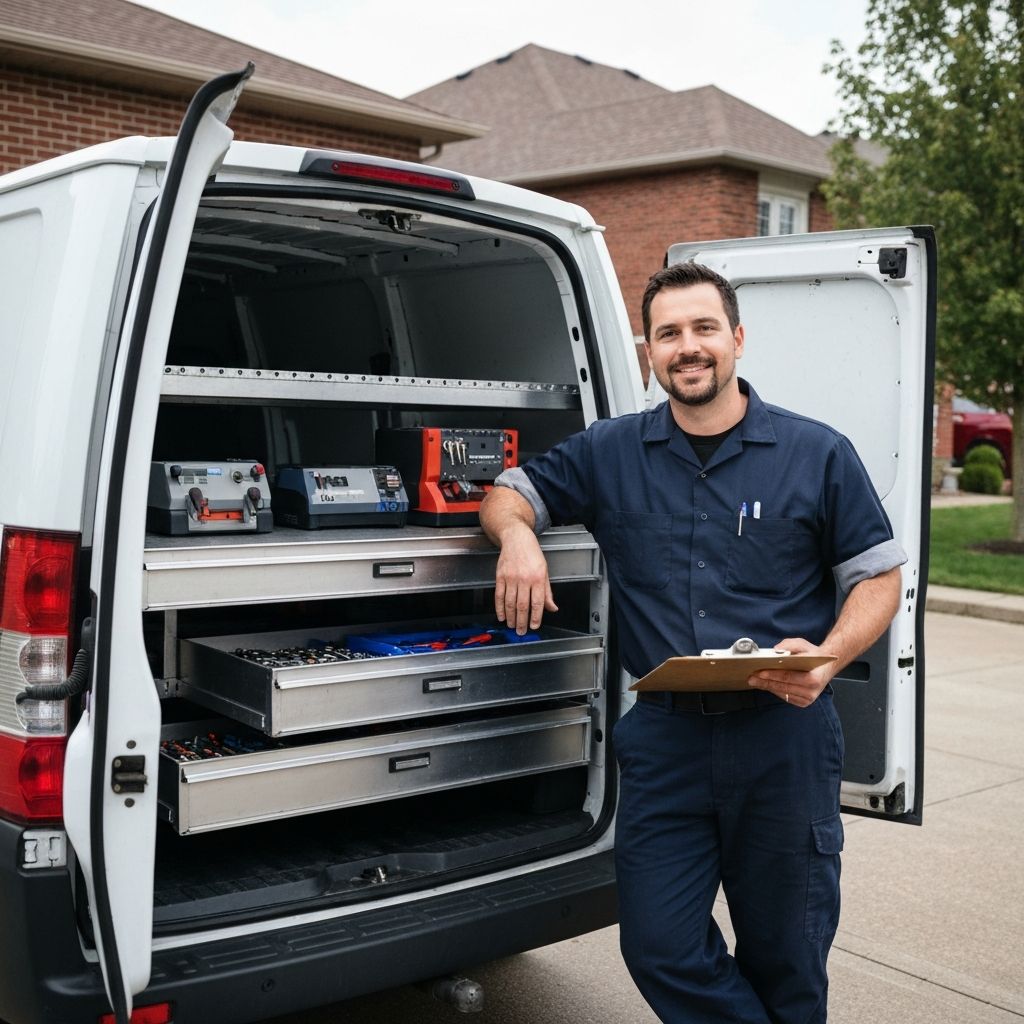
When you call a mobile locksmith for a lost key situation, they will typically need to confirm ownership and then cut and program a new key on the spot. The entire process, from cutting the blade to programming the chip, can be completed at your location. This is especially helpful if you are stranded away from home or if the car is not driveable without a working key. The convenience of having replacement keys made on site means you do not have to tow the vehicle to a dealership or wait for a programmed key to be shipped.
Signs your key may need reprogramming
Sometimes the key blade is fine but the chip loses its programming. This can happen if the key is exposed to strong magnetic fields, if the chip is damaged by impact, or if the car's battery has been disconnected for an extended period. A key that used to start the car but suddenly stops working, while a spare key still works, is a strong sign that the chip has lost its programming. In that case, the key may need to be reprogrammed rather than replaced. A locksmith can test the chip and determine whether reprogramming is possible or if a new key is needed.
Another sign is when the car starts intermittently. If the immobilizer light on the dashboard flashes or stays on while trying to start, it often means the car is not detecting the chip. This can happen if the chip is loose inside the key housing or if the antenna ring around the ignition cylinder is failing. Before assuming the key needs programming, it is worth checking the key for physical damage. A cracked key head can allow the chip to shift out of position, causing intermittent communication with the immobilizer system.
Choosing the right approach for your situation
If you have a working spare key, having a duplicate made is usually straightforward. The locksmith can cut the new blade and, if the car uses a transponder, program the new chip by following a sequence that involves both the existing key and the new one. This is often the least expensive route. If you have no spare key, the work is greater but still manageable for a professional. The locksmith must either retrieve the key code from the manufacturer or use diagnostic tools to bypass the immobilizer and program a new chip.
For vehicles with push start systems, the process is similar but the fob may need additional programming for the remote functions. Some cars store the immobilizer code in a separate module that can be accessed through the onboard diagnostic port, while others require the fob to be placed in a specific location inside the car during programming. A mobile locksmith who specializes in automotive work will have the equipment to handle most makes and models, including luxury and imported vehicles.
If you are unsure whether your car uses a transponder chip, check the owner's manual or look at the key itself. A key with a thick plastic head, a visible circuit board, or a small LED light almost certainly contains a chip. Keys that are all metal with no plastic housing usually do not. When in doubt, a quick call to a locksmith can clarify what your vehicle requires. They can also tell you whether the key needs only a cut or both a cut and programming.
Understanding the difference between mechanical key cutting and electronic programming helps you avoid wasted time and unnecessary expense. A key that fits the lock but does not start the engine is not a broken key; it is a key that lacks the correct electronic handshake with the car. Knowing this distinction means you can ask the right questions and get the right service the first time.